The best hip-hop music videos do more than mirror a hit record. They invent an image system around it: a camera language, a performance grammar, a sense that one frame can hold an artist's entire myth at once. Since 2010, rap has been the genre most willing to swing between internet-age minimalism and blockbuster visual excess, which is exactly why its strongest videos keep redefining the medium.
This list stays anchored to Frame Vault's database, which means every pick below links directly into the archive for deeper browsing. The throughline is not budget alone. It is clarity of visual idea, whether that means Kendrick Lamar using symmetry like a weapon, Childish Gambino weaponizing dance and distraction, Jay-Z and Beyoncé turning the Louvre into a flex, or Cardi B and Megan Thee Stallion proving that outrageous studio artifice can still feel precise.
May 2026 · 10 min read
Early 2010s: Viral Shock and Persona Building
At the start of the 2010s, the strongest rap videos were either brutally stripped down or aggressively larger than life. These five clips set the tone for how artists would build myth, controversy, and visual authorship online.
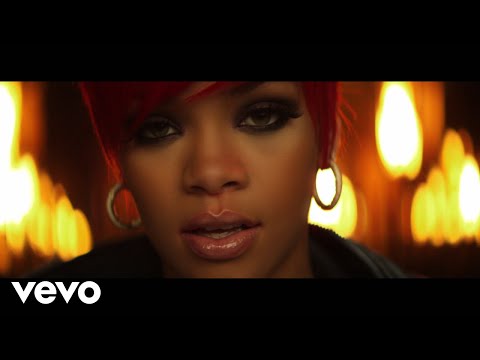
In 2010, Joseph Kahn turned "Love the Way You Lie" into a scorched suburban melodrama, cross-cutting Eminem and Rihanna's performance with a volatile couple trapped inside the song's emotional fallout. The fire imagery and movie-scale pacing helped reset rap video storytelling for the decade.
Tyler, the Creator directed "Yonkers" himself in 2011 and made austerity the whole point: monochrome walls, static framing, one unforgettable cockroach, and a dead-eyed performance that felt impossible to ignore. It proved a rap video could become iconic by stripping spectacle away instead of piling it on.
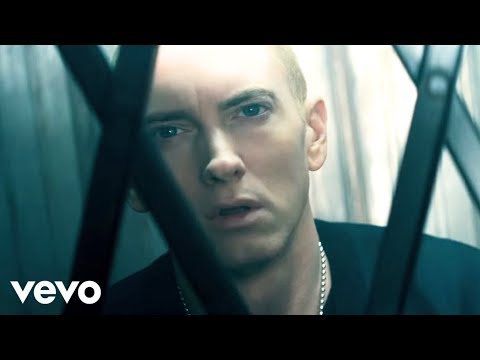
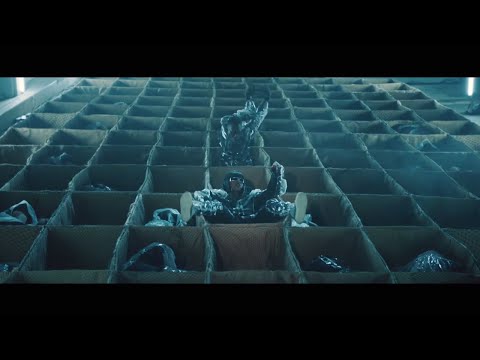
Rich Lee's 2013 video for "The Monster" turns Eminem's career mythology into a haunted clip show, with Rihanna acting as therapist while screens replay his past selves. The VFX-heavy memory-box concept made mainstream rap introspection feel arena-sized rather than confessional.
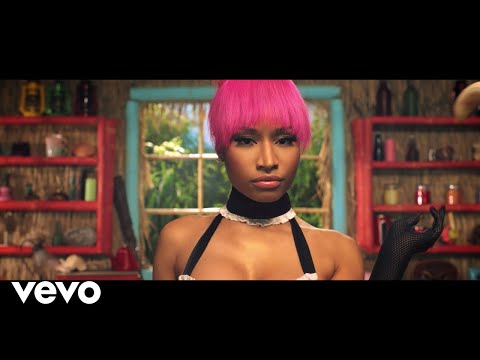
Colin Tilley shot "Anaconda" in 2014 as a hyper-saturated explosion of choreography, jungle fantasy, and pop-cultural provocation. The video mattered because it turned Nicki Minaj's control over framing, performance, and comedy into the actual subject of the spectacle.
Hiro Murai's 2014 video for "Never Catch Me" follows two children dancing out of a funeral and into the street, using steadicam drift and slow motion to make grief feel strangely weightless. Few hip-hop-adjacent videos of the decade married spiritual imagery and bodily movement so elegantly.
SteadicamTracking ShotSlow MotionHandheld Camera
Mid-2010s: Auteur Rap Takes Over
By the middle of the decade, hip-hop videos were operating like gallery pieces, protest documents, and midnight hallucinations all at once. Directors were no longer just servicing singles; they were shaping whole visual eras.
Dexter Navy made "L$D" one of 2015's great nocturnal hallucinations, pushing A$AP Rocky through neon Tokyo, long exposures, and psychedelic dissolves. It became a template for cloud-rap surrealism because every frame feels intoxicated without losing compositional control.
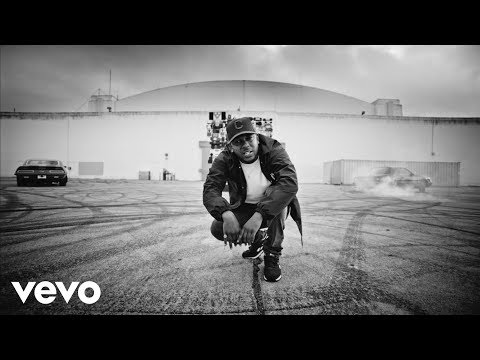
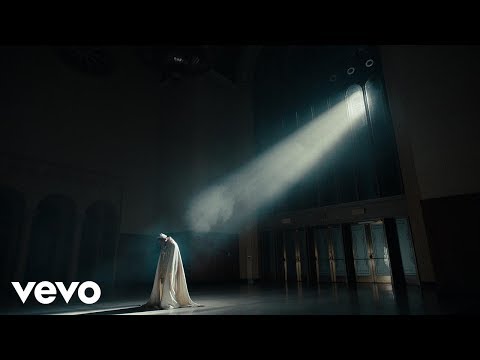
In 2015, Colin Tilley filmed "Alright" in high-contrast black and white, turning Kendrick Lamar into both witness and apparition above Los Angeles streets. The floating-car imagery and final street confrontation gave a protest anthem one of rap's defining visual documents.
Dave Meyers treated Missy Elliott's 2015 comeback "WTF (Where They From)" like a future broadcast, mixing fisheye distortion, CGI flourishes, and elastic choreography. The result felt like a reminder that innovation in rap video form did not belong to a younger generation alone.
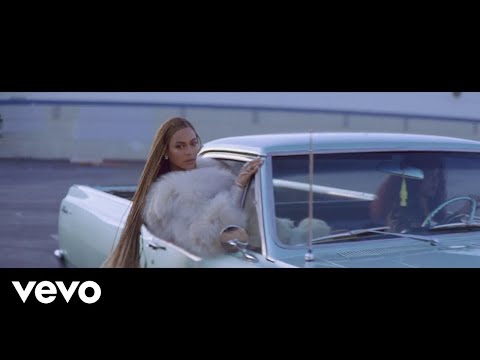
Melina Matsoukas made "Formation" in 2016 with the scale of a political essay, balancing floodwater tableaux, handheld intimacy, and Southern iconography. Beyoncé's performance is central, but the video's power comes from how precisely the images connect Black style, place, and history.
Dave Meyers and The Little Homies built "HUMBLE." in 2017 out of instantly quotable tableaux: the pope pose, the Last Supper, the bodies leaning in perfect symmetry. It is one of the clearest examples of rap spectacle functioning like high-concept image design.
Late 2010s: Museum Scale, Meme Scale, Superstar Scale
The late 2010s pushed hip-hop visuals toward total cultural saturation. These videos understood that a single unforgettable image could travel from museums to memes without losing any of its formal precision.
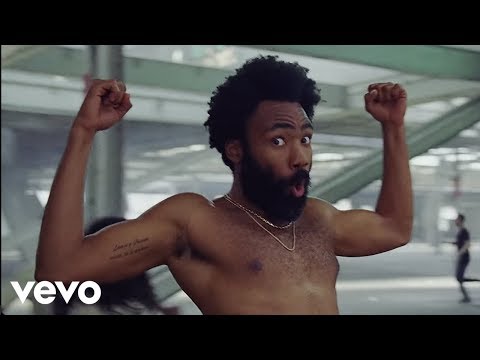
Hiro Murai staged "This Is America" in 2018 as a single warehouse flow of dance, terror, and distraction, keeping Childish Gambino in motion while chaos accumulates at the edges. The camera's calm persistence is what makes the satire hit so hard on repeat viewings.
SteadicamTracking ShotWide-Angle LensOne-Take / Long TakeShallow Depth of Field
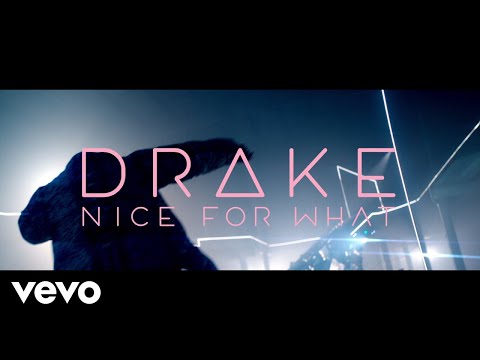
Karena Evans directed Drake's "Nice for What" in 2018 as a star-driven montage of women who look self-possessed rather than ornamental. Its glamour lighting and lateral movement made the video feel luxurious, but the real flex was how lightly it carried celebrity.
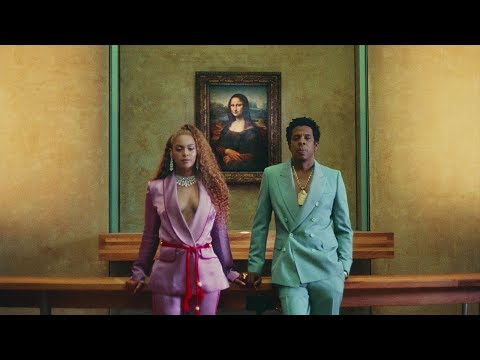
Ricky Saiz turned The Carters' 2018 Louvre takeover "APESHIT" into a museum-scale statement piece, placing Jay-Z and Beyoncé inside rigid compositions that converse with the art around them. Few rap videos have sold power through stillness, symmetry, and location as effectively.
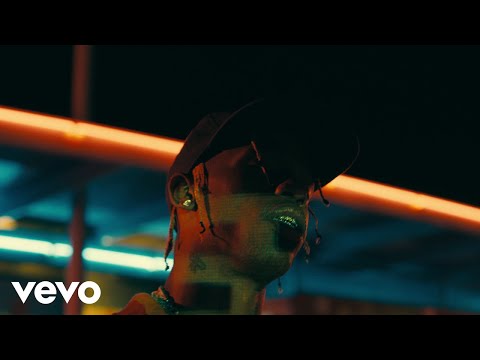
Dave Meyers approached "SICKO MODE" in 2018 like a chain of flex-driven dream states, leaping from suspended cars to giant Travis Scott heads to drifting city lights. The set transitions and VFX overload feel coherent because the edit never stops chasing momentum.
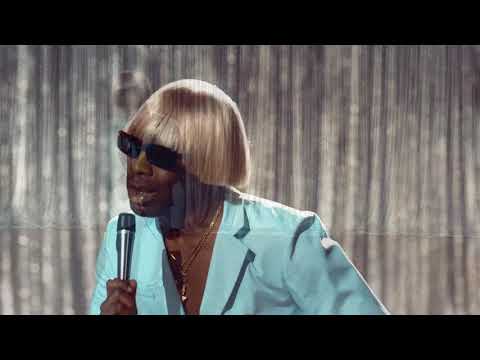
Under the Wolf Haley name, Tyler, the Creator gave "EARFQUAKE" a 2019 palette of mint green, stagecraft absurdity, and quietly perfect symmetry. It matters because it shows how a rap auteur can soften into melancholy without losing a single inch of visual identity.
Crane ShotWide-Angle LensCGI / Visual EffectsTracking ShotStylized Color GradingSymmetrical Framing
2020s: Pop-Rap Maximalism and New Canon Entries
In the 2020s, rap videos kept splitting in two directions: extravagant studio fantasy on one side and hyper-local immediacy on the other. The best recent examples prove both approaches still have room to feel definitive.
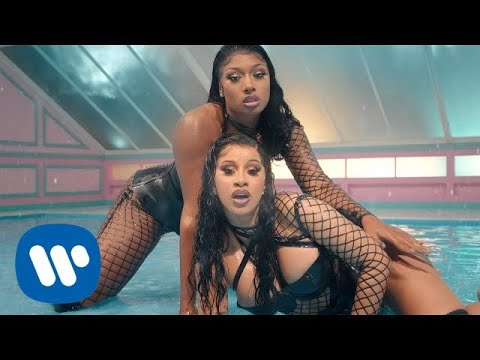
Colin Tilley's 2020 video for "WAP" is maximalist studio fantasy done with absolute conviction, moving Cardi B and Megan Thee Stallion through candy-colored sets, choreographed reveals, and cartoonishly polished VFX. It became an instant reference point because the camera treats outrageousness as design discipline, not chaos.
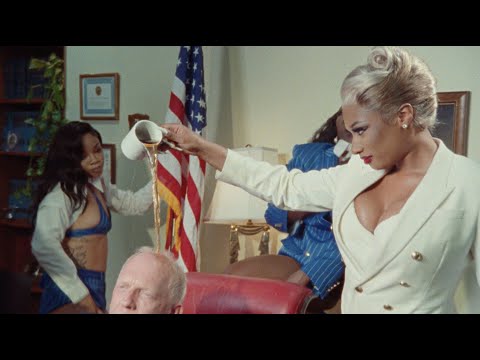
Aube Perrie used 2021's "Thot Shit" to turn Megan Thee Stallion into the center of a rubbery anti-respectability satire, cross-cutting her performance with a politician literally losing bodily control. The CGI is goofy on purpose, which gives the video's politics a sharp comic edge.
Tanu Muino's 2021 "Montero (Call Me by Your Name)" thrives on total commitment, escalating from Eden to the underworld without ever pretending subtlety is the goal. Its choreography, digital world-building, and taboo-baiting theatricality made it one of the decade's unavoidable pop-rap visuals.
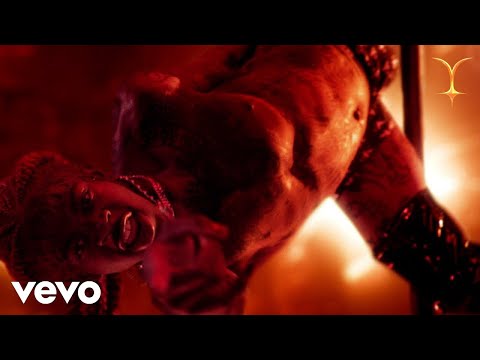
Nina McNeely directed Doja Cat's "Paint the Town Red" in 2023 as a procession of devils, blood reds, and tactile creature effects that feel closer to horror pageantry than routine pop gloss. The tracking shots keep the video elegant even when the imagery is gleefully grotesque.
In 2024, Dave Free and Kendrick Lamar shot "Not Like Us" like a neighborhood victory lap, grounding a culture-stopping diss record in local texture, group choreography, and documentary immediacy. The video's confidence comes from never overcomplicating what the moment already meant.
SteadicamDocumentary FootageGroup Choreography
What separates these 20 from the wider field is replay value at the level of form, not just fandom. Every one of them gives you something concrete to study on a second watch, whether that is a steadicam route, a lighting choice, a recurring pose, or a way of making celebrity presence feel architectural. That is usually the clearest sign that a hip-hop video has moved from hit-support material into genuine visual canon.