The best K-pop music videos of 2022, 2023, and 2024 were built on a contradiction the genre handles better than anyone else: total visual control that still feels explosive on first watch. The strongest releases in this period used blockbuster set design, hyper-precise choreography cinematography, and dense color systems, but they rarely felt random. Whether the frame was crowded with VFX or stripped back to daylight street performance, the best directors made every camera move serve the group image.
Frame Vault's archive is especially strong on the recent K-pop run that spans NewJeans, BLACKPINK, BTS, aespa, JENNIE, and ROSÉ. If you want the deeper lineage behind this list, start with BTS' “Blood Sweat & Tears” , BLACKPINK's “DDU-DU DDU-DU” , and ROSÉ's “On The Ground” . For broader discovery, the K-pop archive is the fastest way to compare directors, techniques, and visual styles side by side.
May 2026 · 9 min read
One clear trend across this window is the split between maximalist spectacle and intimate narrative framing. BLACKPINK and aespa push toward giant sets, VFX, and polished attitude shots, while Shin Woo-seok's NewJeans videos make school corridors, sidewalks, and institutional interiors feel just as magnetic through point of view and temporal texture. K-pop fans often talk about lore, but what really distinguishes the best 2022-2024 videos is directorial discipline. You can freeze almost any frame from these releases and tell immediately who the image is for and what kind of feeling it is trying to lock in.
Choreography is the other constant, and the best K-pop music videos of 2022-2024 understand that dance coverage is not just documentation. It is image-making. The camera can glide with a formation, hold wide to emphasize symmetry, or punch in just enough to turn a gesture into a hook. That is why videos like “Super Shy,” “Shut Down,” and “Pink Venom” stay replayable: the directors treat movement, production design, and idol presence as one integrated system rather than as separate departments competing for attention.
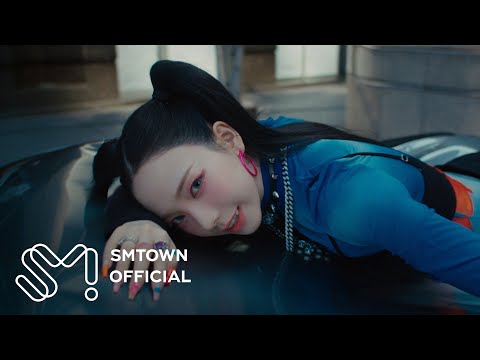
Tanu Muino gives JENNIE's "Mantra" the kind of fashion-film precision that makes a star vehicle feel architectural instead of disposable. The tracking shots are smooth, the styling is aggressively legible, and every set is built to keep her silhouette clean in motion. It is glossy pop spectacle, but the blocking is tight enough that the video still plays like choreography-driven cinema.
aespa's "Supernova" is one of the clearest examples of modern K-pop production design working at full blast without losing spatial clarity. The VFX bursts, set transitions, and group formations keep escalating, yet the edit always returns to readable center framing. That balance between overload and control is why the video feels futuristic rather than merely busy.
"APT." thrives on chemistry and pace. ROSÉ and Bruno Mars move through a mixed-media performance concept that never overexplains itself, relying on punchy choreography, color contrast, and playful camera resets to keep the song airborne. It is a useful reminder that K-pop-adjacent visuals do not need giant lore dumps to feel highly produced.
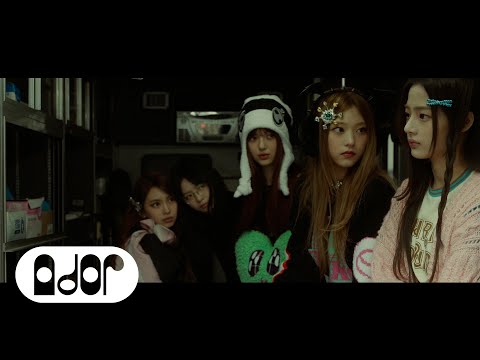
Shin Woo-seok directs NewJeans' "OMG" like a miniature feature, folding fan-service, character performance, and institutional framing into a story that can be funny, disorienting, and emotionally sharp in the same breath. The cross-cutting is what sells it. Each narrative perspective changes how you read the choreography and the close-ups, so the video keeps rewarding rewatching.
"Super Shy" turns street choreography into the whole cinematic idea. Shin Woo-seok shoots NewJeans outdoors in daylight, lets handheld movement breathe, and uses real locations to make the dance feel communal rather than hermetically staged. That naturalism is harder than it looks, because the video still has to preserve idol precision while seeming casual.
Street ChoreographyHandheld CameraDaylight Location
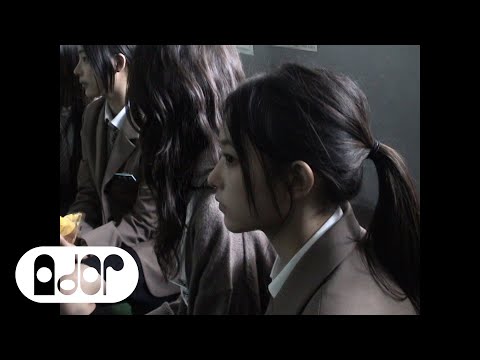
"Ditto" matters because its camcorder look is not just nostalgia styling. Shin Woo-seok uses school spaces, natural light, and documentary distance to turn NewJeans into memory fragments rather than untouchable icons. The visual storytelling is soft but exact, and it changed how many viewers talked about K-pop cinematography in the early 2020s.
BTS' "Yet to Come (The Most Beautiful Moment)" works like a self-curated museum of the group's visual history. Yong Seok Choi stages callback tableaux inside a desert landscape, then uses slow motion and measured wides to make each reference feel ceremonial. Instead of chasing novelty for its own sake, the video makes emotional scale out of recognition and restraint.
BLACKPINK's "Shut Down" is pure control. The sets are expensive, the camera moves are polished, and the choreography is framed with enough steadicam patience that each formation lands with authority. What makes the video more than a luxury flex is how confidently it quotes the group's earlier iconography while still feeling colder and more distilled.
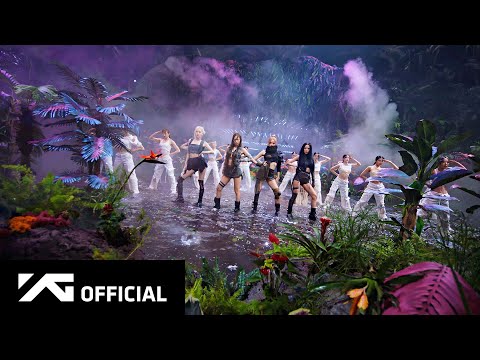
"Pink Venom" is maximalist YG filmmaking at its most efficient. BLACKPINK moves through high-contrast sets and VFX-heavy transitions, but the edit keeps returning to strong frontal compositions and clean chorus coverage. That discipline matters. Without it, the giant production design would blur into noise instead of reading as threat, glamour, and attitude.
ChoreographedVFX Heavy
Rewatch these videos with an eye on transitions instead of just the chorus money shots. Notice how often the strongest directors use set changes, costume pivots, or aspect-ratio shifts to sharpen the song's identity rather than merely increase scale. That is the underlying lesson from this era of K-pop music video production: precision reads bigger than excess, and a perfectly framed performance beat can carry just as much impact as a wall of CGI.