The best Latin music videos of 2022, 2023, and 2024 did more than follow streaming momentum. They turned reggaeton, Latin pop, regional Mexican crossover, and trap into distinct visual languages. Some videos chased clean luxury and metallic color grading. Others leaned into daylight realism, handheld immediacy, or nightlife grime. What links the strongest work is that each video understands its own cultural aesthetic at the level of wardrobe, texture, location, and directorial rhythm.
If one director defines this stretch, it is Stillz. His work for Bad Bunny keeps showing how much a Latin music video can communicate through movement, framing, and surface alone. But this period is not a one-director story. Pedro Artola brings breezy warmth to KAROL G, Hannah Lux Davis treats star power like high-gloss fantasy, and Cliqua proves that regional heartbreak can hit hardest when the directorial choices stay patient. That variety is exactly why Latin video search volume stays so high: the genre is not delivering one house style, it is delivering multiple visual identities at once.
The biggest formal shift across 2022-2024 is how confidently these videos move between hyper-stylized polish and documentary-feeling realism. You can see it in the jump from the metallic luxury of “Monaco” to the open-air ache of “UN X100TO,” or from the neon fantasy of “Puntería” to the handheld intimacy of “Gata Only.” For filmmakers, that makes this era especially worth studying. The strongest Latin music videos are not just big; they are specific about texture, class signals, geography, and the emotional temperature of the frame.
Pedro Artola shoots KAROL G's "Si Antes Te Hubiera Conocido" with a warmth that feels lived in instead of polished to death. The boardwalk tracking shots, daylight color, and group choreography build a social world around the song, which is why the video feels instantly shareable. It is a summer hit staged with real atmosphere rather than generic tourism gloss.
Hannah Lux Davis takes "Puntería" into high-fantasy crossover territory, but the key choice is how legibly she arranges the spectacle. Shakira and Cardi B are always framed as the center of gravity, even when the VFX and choreography get dense. That control keeps the video glamorous and weird without letting it collapse into overdesigned noise.
"Harley Quinn" leans into flashing set transitions, handheld energy, and clubby strobe effects to sell a more chaotic mood than the smoother Latin-pop entries on this list. The rougher texture works in its favor. Instead of sanding everything down, the video embraces disorder and uses it as a stylistic identity.
"Gata Only" proves how much contemporary Latin hitmaking can get out of a lean visual package. The handheld camera, low-key lighting, and short tracking moves keep FloyyMenor and Cris MJ close to the lens, which makes the video feel intimate, fast, and street-level. It is not trying to be monumental; it is trying to feel current.
Xavi's "La Diabla" is built from natural light, slow motion, and performance detail rather than giant concept staging. That choice fits the regional Mexican crossover moment perfectly. The video stays locked on mood, body language, and romantic tension, letting the cultural aesthetics come through in wardrobe, landscape, and pacing instead of forced symbolism.
Stillz directs Bad Bunny's "WHERE SHE GOES" like a fashion image that keeps mutating under pressure. The slow motion is clean, the performance framing is cold and exact, and the styling does a huge amount of narrative work. It is a good example of how a director can make a track feel bigger by treating the artist as a moving graphic element.
"Monaco" is Stillz in luxury-motion mode. Wide-angle lenses, car-rig footage, and clipped slow-motion inserts give Bad Bunny a restless, high-end momentum that never settles long enough to become static. The color grading stays metallic and crisp, which is exactly what lets the wealth-signaling images read as rhythm rather than empty flexing.
"Perro Negro" thrives on texture. Stillz pushes Bad Bunny and Feid through club lighting, fisheye distortion, and tracking shots that make the room feel humid and unstable. The visual style is less about telling a literal story than about trapping the performers inside a nightlife atmosphere they seem to control and be consumed by at once.
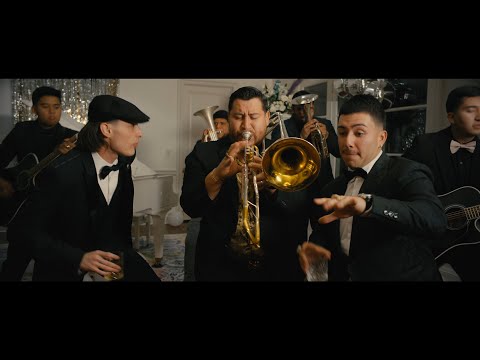
"Ella Baila Sola" matters because it shows how regional Mexican videos can scale emotionally without copying global pop grammar. Wide angles, handheld coverage, and natural-light exteriors keep Eslabon Armado and Peso Pluma grounded in place. That realism is the point. The video feels culturally specific and mass-appeal ready at the same time.
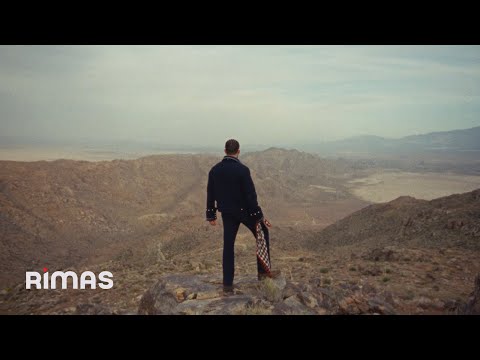
Cliqua directs "UN X100TO" with restraint, which turns out to be the smartest possible choice. Grupo Frontera and Bad Bunny are filmed with handheld immediacy and enough tracking movement to keep the frame alive, but the video never crowds out the song's ache. The result is one of the best examples of emotional economy in recent Latin music videos.
Handheld CameraNatural LightingTracking Shot
Watch these videos back to back and the clearest lesson is how much color and camera texture can define a song before the narrative even starts. Great Latin music video direction in this era is about making mood instantly legible: a boardwalk glow, a nightclub haze, a desert dusk, a steel-blue luxury frame. Those choices are why these videos travel so well across audiences and why they keep showing up in global best-of searches.