If you are building treatments, references, or pitch decks, searching by director is often faster than searching by artist. The best music video directors of the 2010s and 2020s did more than rack up big views. They defined repeatable visual languages that other directors, cinematographers, editors, and commissioners still borrow from. That makes them useful not just as canon picks, but as practical research tools for filmmakers trying to identify what kind of image system they actually want.
This list stays close to the current Frame Vault catalog, so every recommendation gives you a direct jump into a real archive page rather than a vague name-drop. Use it as a shortcut: start with the directors below, then move deeper through the full archive if you want to compare genres, techniques, and recurring visual habits across the decade and a half.
May 2026 · 8 min read
1. Hiro Murai
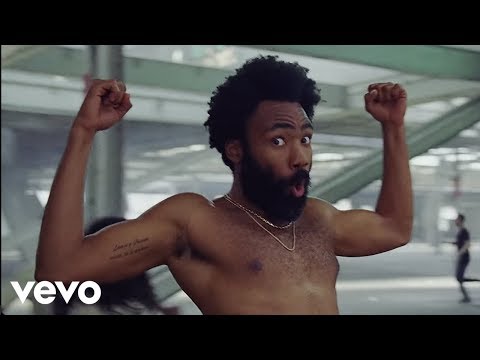
Childish Gambino — “This Is America”
2018 · dir. Hiro Murai
Hiro Murai became the essential 2010s reference point for directors who wanted conceptual ambition without losing performance energy. His images feel controlled, eerie, and politically charged, but never inert. Start with Childish Gambino's “This Is America” , then revisit Flying Lotus ft. Kendrick Lamar's “Never Catch Me” and “Feels Like Summer”. Murai's signature is motion with tension: steadicam drift, choreographed blocking, and just enough surrealism to make the frame feel unstable in the best way.
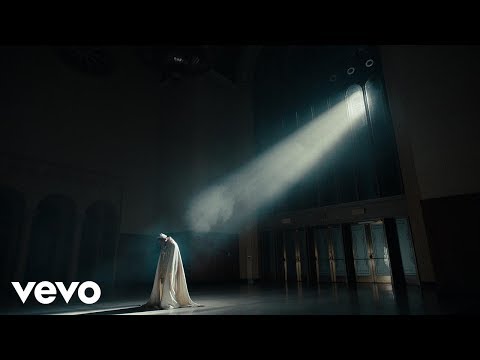
Dave Meyers is still the clearest example of pop maximalism executed with real discipline. The surface is always big, but the idea is usually simple enough to read instantly. Kendrick Lamar's “HUMBLE.” , Billie Eilish's “bad guy” , and Sabrina Carpenter's “Espresso” show how flexible that grammar is across rap and pop. Wide-angle comedy, exaggerated set pieces, symmetrical framing, and punchy visual hooks are the Meyers toolkit, but the real skill is clarity under pressure.
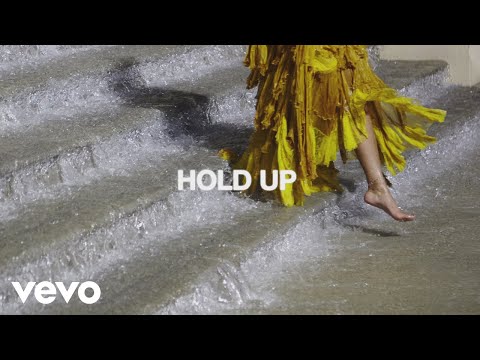
Jonas Åkerlund's best videos still feel a little dangerous. He brings punk velocity, fashion-image aggression, and an appetite for tonal collision that makes mainstream stars look more volatile. Watch Lady Gaga ft. Beyoncé's “Telephone” , Beyoncé's “Hold Up” , and even the older-chart giant “Moves Like Jagger”. Åkerlund cuts hard, pushes styling toward caricature, and understands how to make celebrity presence feel unruly instead of merely polished.
Fleur & Manu represent a different lane: melancholy, scale, and tactile atmosphere rather than hit-single bombast. Their work often feels like a short film glimpsed through smoke, sodium light, or fading neon. On Frame Vault, the cleanest starting point is M83's “Midnight City” , a video that turns adolescent sci-fi and urban night texture into one of the defining mood pieces of the early 2010s. If your taste runs more cinematic than glossy, this duo matters because they make atmosphere feel structural rather than decorative.
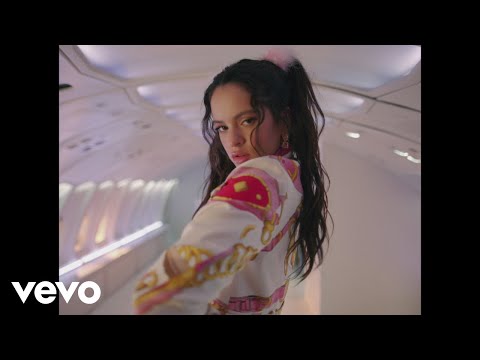
Director X remains foundational because he knows how to make star power look effortless. His strongest videos balance swagger, environment, and movement without overcomplicating the premise. Compare Kendrick Lamar's “King Kunta” , Rihanna ft. Drake's “Work” , and ROSALÍA & J Balvin's “Con Altura” . The through line is spatial confidence: street realism when needed, luxury gloss when useful, and camera movement that always protects the artist's charisma first.
Hannah Lux Davis is one of the most reliable directors in glossy pop and crossover spectacle because she never lets expensive imagery go dead on the page. Her videos are built around star framing, body language, and clean set transitions that keep performance alive. In the current Frame Vault catalog, start with Shakira & Cardi B's “Puntería” . It is a useful late-period example of how Davis handles fantasy environments, choreography, and glamor without sacrificing momentum.
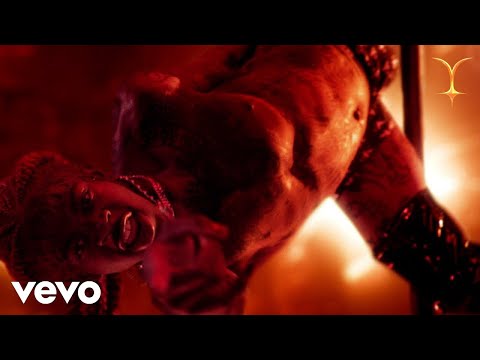
Few 2020s directors have risen faster than Tanu Muino, whose work makes bodies, costumes, and camera movement feel part of one continuous design system. She is excellent at turning performers into kinetic icons. Frame Vault has a strong mini-run: Lil Nas X's “Montero (Call Me by Your Name)” , Normani ft. Cardi B's “Wild Side” , and JENNIE's “Mantra” . Muino's videos are slick, but the reason they stick is that the choreography always reads as image-making rather than filler.
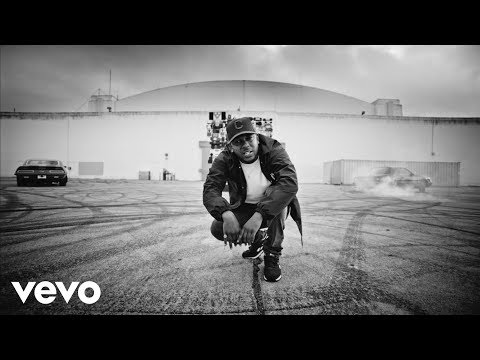
Colin Tilley is a useful bridge between the late-2010s blockbuster rap video and the more stylized, image-conscious 2020s mainstream pop visual. He is drawn to scale, iconography, and high-contrast setups that instantly brand the artist. For a quick read on that approach, watch Kendrick Lamar's “Alright” , Cardi B ft. Megan Thee Stallion's “WAP” , and KAROL G's “BICHOTA” . Tilley understands how to scale attitude into mythology.
None of these directors work the same way, which is the point. Murai teaches control under pressure, Meyers teaches legibility at scale, Åkerlund teaches risk, Director X teaches charisma management, and the 2020s group of Muino, Davis, and Tilley show how contemporary music videos keep evolving without giving up star image. For filmmakers, the value is less in ranking them and more in noticing which formal habits keep recurring once you know what to look for.