The best VFX music videos don't feel like tech demos. They use visual effects to make a song's emotional logic visible: a world that bends, a body that mutates, a room that should not physically work but somehow feels exactly right for the track. That can mean handmade stop-motion, early digital compositing, full CGI fantasy, or mixed-media collage that sits somewhere between animation and live action. The common denominator is not budget but integration: the effect work changes how the rhythm hits, how the performer is mythologized, and how the viewer understands the stakes of a frame. In the best music videos with special effects, you are not admiring a plug-in from a distance. You are feeling the technical choice inside the song itself, whether that means a face turning into an animated object, a digital background collapsing the laws of perspective, or a composited fantasy world that heightens the emotional pitch of a chorus. These 10 music videos span four decades of visual-effects craft, but they all achieve the same thing: they make technique feel inseparable from performance. If you're looking for the best VFX music videos ever made, this list is a strong place to start.
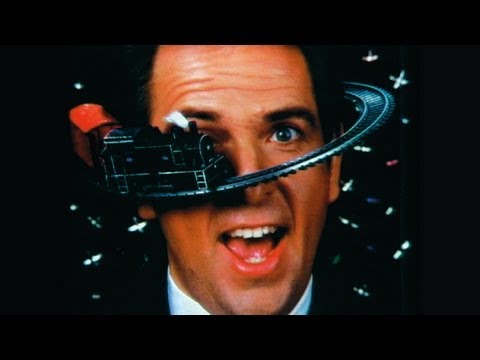
Peter Gabriel's masterpiece still feels impossible because every surface is alive. Stop-motion, pixilation, and practical object animation keep mutating the frame, turning the song into a benchmark for tactile special-effects inventiveness rather than slick polish.
The genius of "Take On Me" is the seam between mediums. Pencil-sketch animation and live action are composited so cleanly that the whole video feels like a portal opening, which is why it remains one of the most iconic mixed-media concepts ever put on tape.
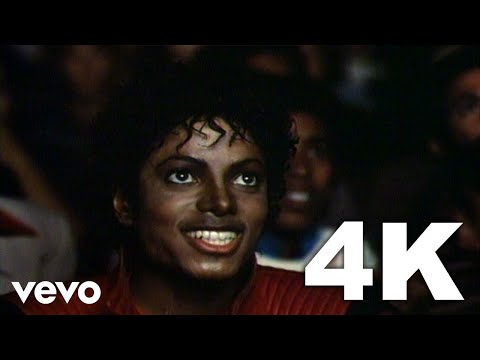
"Thriller" matters not just because it is famous, but because it scales makeup effects, choreography, and cinematic pacing into a real horror-musical hybrid. It proved the blockbuster music video could borrow feature-film language without shrinking the song.
TLC's "Waterfalls" took then-ambitious digital compositing and used it for emotional storytelling, especially in the ghostlike dissolves and atmospheric transitions. The effects are inseparable from the song's moral weight, which is exactly why they land.
Dave Meyers turns Missy Elliott into a shape-shifting digital force, with fish-eye distortion, CG morphing, and aggressively stylized lighting all working at once. It is not subtle, but it is expertly controlled chaos.
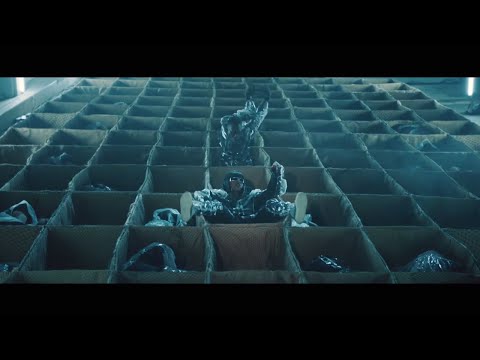
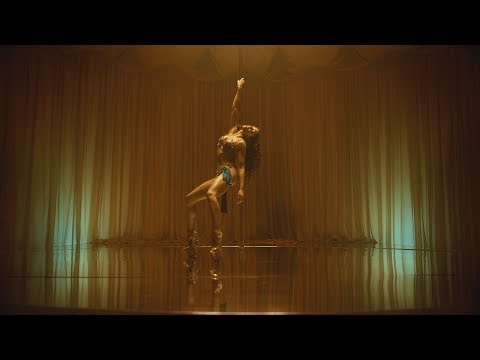
Andrew Thomas Huang uses CGI less as spectacle than as emotional architecture, building a vertical fantasy world that feels unstable, seductive, and frightening. The climb, the pole work, and the digital environments all feed the same emotional crescendo.
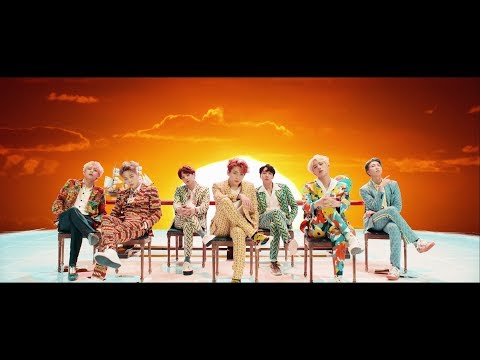
"IDOL" is pure overload in the best way: greenscreen collage, hyper-saturated digital backdrops, and choreography locked to an almost unreal level of precision. It works because BTS treats the frame like a stage and a graphic canvas at the same time.
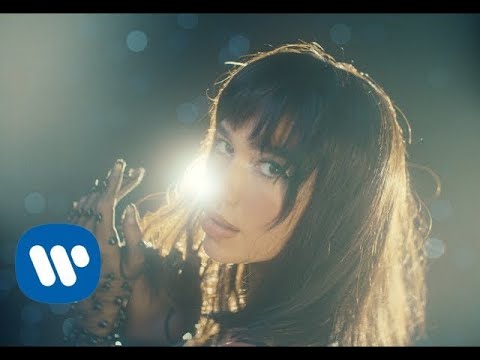
"Levitating" is a lesson in modern pop-worldbuilding. Chroma-key sets, split-screen motion, and candy-bright CGI never overpower Dua Lipa; they orbit her, keeping the video buoyant rather than cluttered.
Chroma Key / Green ScreenSplit ScreenTracking ShotWide-Angle LensCGI / Visual EffectsStylized Color Grading
Glass Animals make digital surrealism feel intimate by mixing projection-mapped textures and CG environments with handheld immediacy. The result is dreamlike, but still human-scale.
CGI / Visual EffectsProjection MappingNeon LightingHandheld Camera
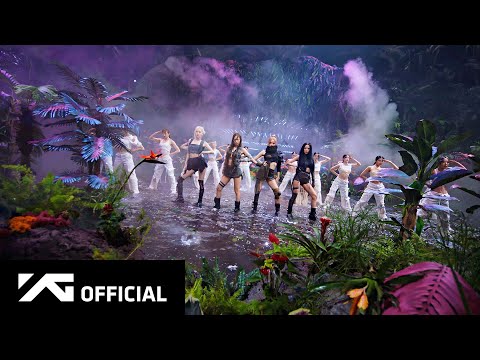
"Pink Venom" takes the K-pop blockbuster template and sharpens it with set-stitched VFX, composited spectacle, and hard-reset visual chapters. Every section is built to deliver a new flex shot without losing the momentum of the whole.